
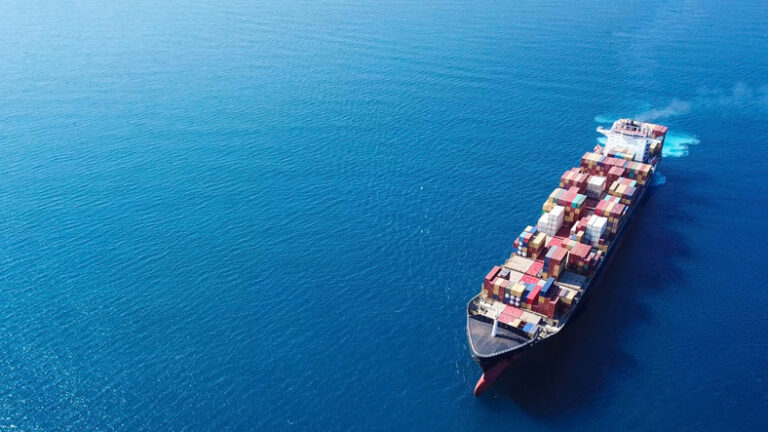
The salt-crusted railings of your charter boat glisten under the pale winter sun as gulls wheel overhead, their cries mixing with the distant rumble of cargo vessels navigating Mobile Bay. Below deck, however, your crew has gathered around a malfunctioning HVAC system that’s been struggling for weeks, now finally surrendering with a pathetic wheeze. With temperatures fluctuating between brisk mornings and surprisingly warm afternoons along Alabama’s Gulf Coast, a broken climate control system is a threat to passenger comfort, crew morale and your vessel’s operational integrity. Read on to learn if your marine vessel in the Mobile, AL, area needs an HVAC repair to restore comfort and efficiency in your cabins.
Why Marine HVAC Systems Fail Along the Gulf Coast
Marine vessels operating in Mobile Bay face environmental conditions that accelerate HVAC deterioration faster than land-based systems. The combination of salt air, humidity levels averaging 75-80% and constant vibration from engine operation creates a perfect storm for component failure.
According to the American Boat and Yacht Council, marine HVAC systems in Semmes, AL experience failure rates 40% higher than residential systems due to these harsh conditions. Corrosion attacks electrical connections, saltwater intrusion damages compressors and biological growth clogs condensate lines, all common culprits when systems stop performing.
Recognizing the Warning Signs Before Total Failure
Your vessel’s HVAC system communicates distress long before a complete breakdown. Understanding these signals helps you address problems before they escalate into costly emergencies.
Unusual noises like grinding, squealing, or rattling indicate failing bearings or loose components. Weak airflow suggests clogged filters or failing blower motors. Inconsistent temperatures between zones point to refrigerant leaks or malfunctioning thermostats. Strange odors, particularly musty or burning smells, signal electrical issues or biological contamination within ductwork. Water pooling near your unit indicates a blocked condensate drain, while ice formation on the coils indicates a refrigerant or airflow problem.
The Hidden Costs of Delaying Marine HVAC Repair
Postponing necessary repairs creates a cascade of consequences that extend beyond immediate discomfort. A struggling compressor consumes 25-30% more electricity while delivering reduced cooling capacity, directly impacting your operational budget. Passengers abandoning bookings due to uncomfortable cabin conditions damages your reputation and revenue stream. Commercial vessels risk failing Coast Guard inspections when habitability standards aren’t met.
Perhaps most critically, complete system failure during peak season forces emergency repairs at premium rates, often requiring expensive overnight shipping for specialized marine components. What begins as a minor repair escalates into a multi-thousand-dollar heating replacement.
Critical Components Requiring Professional Attention
Marine HVAC systems contain specialized components that demand expert diagnosis and repair:
- Seawater pumps circulating coolant through heat exchangers.
- Titanium condensers resist saltwater corrosion effectively.
- Marine-grade compressors designed for constant vessel movement.
- Shock-mounted components absorbing vibration and impact.
- Waterproof electrical connections prevent short circuit failures.
- Self-cleaning strainers filter debris from seawater intake.
How Mobile’s Climate Impacts Your Marine HVAC
Mobile’s unique position, where the Mobile River meets the Gulf, creates microclimates that challenge HVAC systems year-round. Winter months bring temperature swings from 45°F overnight to 70°F by afternoon, forcing your system to repeatedly toggle between heating and cooling modes. This constant cycling stresses thermostats, reversing valves and compressors.
The high humidity never truly disappears, even during cooler months, requiring continuous dehumidification to prevent moisture damage. Vessels moored near industrial facilities along the Mobile River encounter additional airborne contaminants that accelerate filter clogging and coil contamination.
Preventive Maintenance That Keeps Systems Running Smoothly
Establishing a comprehensive maintenance schedule prevents most emergency heating repairs while extending equipment lifespan. Marine HVAC systems operating in Gulf Coast conditions require attention every 90 days rather than the annual maintenance sufficient for residential systems. Regular maintenance includes these essential steps:
- Clean seawater strainers, removing accumulated marine debris.
- Inspect zinc anodes, replacing corroded sacrificial metals.
- Test refrigerant levels, ensuring optimal cooling performance.
- Examine electrical connections, tightening loose wire terminals.
- Flush condensate lines, preventing blockages and overflow.
- Calibrate thermostats, maintaining accurate temperature control settings.
Smooth Sailing Starts With Climate Control Expertise
Your vessel represents significant investment and personal pride, deserving professional care that matches its importance. Air Specialty brings decades of experience serving Mobile’s maritime community and understands the unique demands Gulf Coast vessels face.
Our certified service technicians arrive equipped to diagnose and repair all marine HVAC makes and models, ensuring your passengers enjoy comfortable cabins whether you’re hosting sunset cruises or multi-day charters. We maintain extensive inventories of marine-grade components, minimizing downtime when repairs are needed.
Need Marine HVAC Repair Service in Mobile, AL? Call Us!
Don’t let HVAC problems keep your vessel docked. Contact Air Specialty today to schedule a comprehensive system evaluation and marine HVAC repair in the Mobile, AL, area. Our team of air conditioning experts provides honest assessments, transparent pricing and reliable repairs that let you confidently navigate Mobile Bay’s waters. Your crew and passengers deserve comfort; let AC repair contractors deliver it.
Image provided by iStock